

Regular Attention to Hard-to-Reach Areas Can Help Reduce Dust Accumulation Throughout the Home

Many of the areas that collect the most dust are the ones that are easiest to overlook during everyday cleaning”
BATON ROUGE, LA, UNITED STATES, August 7, 2026 /EINPresswire.com/ -- — Falesity Mecca
Dust is a common part of every home, but some of the largest accumulations often occur in places that receive little routine attention. Ceiling fans, high shelves, air vents, behind appliances, under furniture, window blinds, light fixtures, and other difficult-to-access areas can collect dust gradually over time. Understanding where dust accumulates and why it gathers in these locations can help homeowners develop more effective cleaning routines while supporting a cleaner indoor environment.
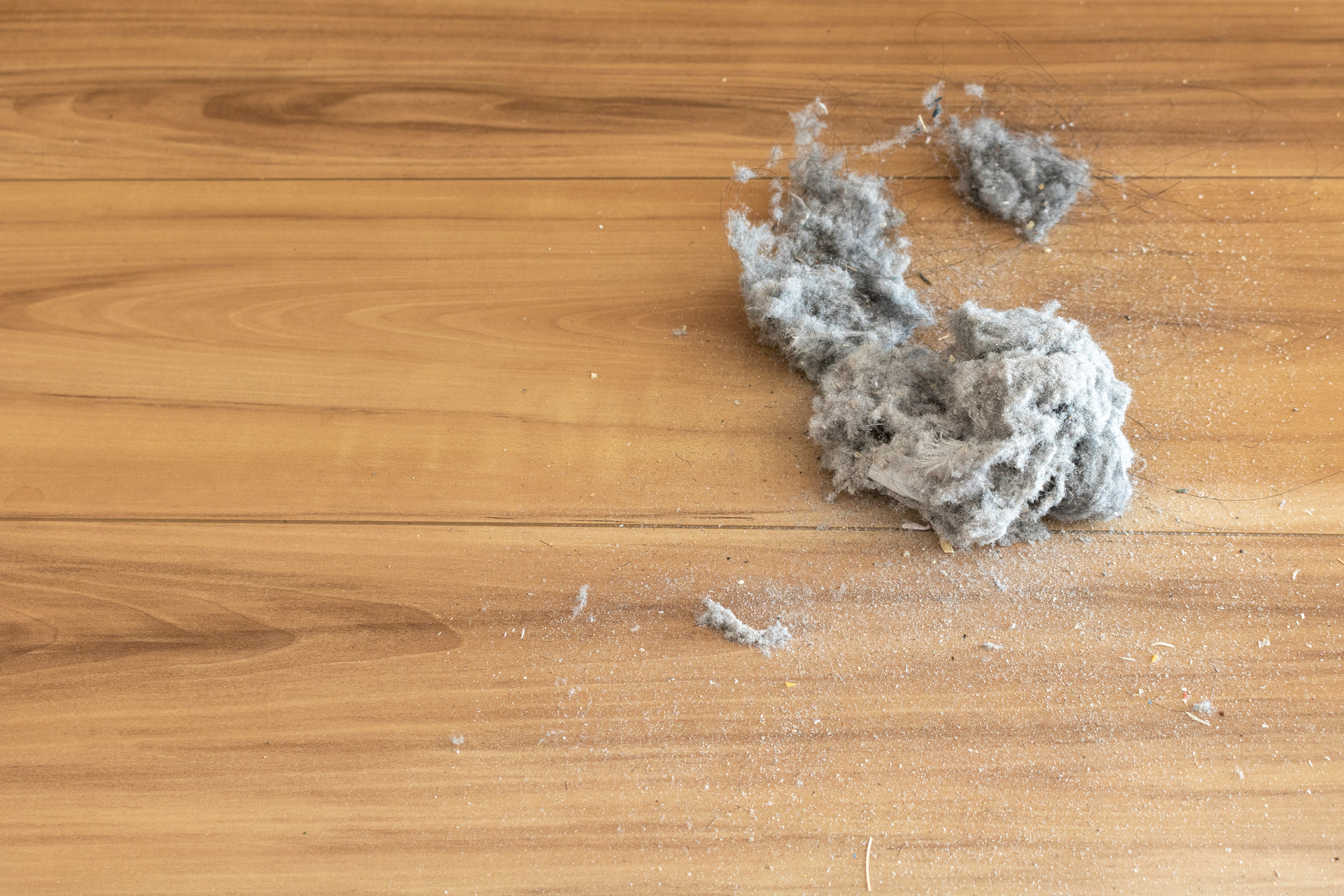
Dust is made up of a variety of materials, including tiny particles of soil, fabric fibers, pollen, pet dander, hair, skin cells, and other airborne debris. Heating and cooling systems, open windows, foot traffic, and everyday household activities continuously move these particles throughout a home. While much of the dust settles on visible surfaces, significant amounts also collect in locations that are not part of regular cleaning routines.
Ceiling fans represent one of the most common areas where dust accumulates. Because fan blades are positioned above eye level, dust can build unnoticed until the fan is turned on, potentially redistributing particles throughout the room. Periodic cleaning helps reduce the amount of accumulated dust while supporting cleaner indoor air circulation.
Air supply and return vents also attract dust over time. As heating and cooling systems circulate air, airborne particles may settle on vent covers and surrounding surfaces. While routine filter replacement helps reduce airborne dust, cleaning vent covers periodically contributes to maintaining a cleaner appearance throughout the home.
Furniture placement often creates hidden dust collection areas. Spaces beneath sofas, beds, entertainment centers, cabinets, and large appliances may remain untouched during routine vacuuming. These locations often accumulate dust, pet hair, and other debris over extended periods because they are difficult to access without moving furniture.
Window blinds and plantation shutters present another challenge. Horizontal surfaces naturally collect airborne particles, and individual slats may require regular attention to prevent visible dust buildup. Curtains and drapes can also trap dust, pollen, and other airborne materials that settle within fabrics over time.
High shelves, decorative ledges, crown molding, and the tops of cabinets frequently become long-term dust collection points. Because these areas are rarely touched during everyday activities, dust may accumulate gradually without attracting immediate attention. Incorporating these surfaces into periodic deep-cleaning schedules helps maintain overall cleanliness throughout the home.
Light fixtures and ceiling-mounted decorations also collect airborne particles. Chandeliers, pendant lighting, recessed lighting trim, and decorative ceiling features may require occasional cleaning to remove accumulated dust while maintaining their appearance and light output.
Kitchen appliances present additional hard-to-reach cleaning opportunities. Refrigerators, ovens, dishwashers, and washing machines often have narrow spaces behind or beneath them where dust, lint, and debris collect over time. Periodic cleaning in these locations may improve cleanliness while supporting appliance performance by maintaining adequate airflow around equipment.
Laundry rooms are particularly susceptible to lint accumulation. Dryers naturally release small amounts of lint during normal operation, allowing particles to collect behind appliances, around vents, and along baseboards. Regular cleaning helps reduce buildup while supporting proper dryer ventilation.
Electronic equipment may also attract dust due to airflow and static electricity. Televisions, computers, gaming systems, routers, and entertainment equipment often include ventilation openings where dust can collect. Maintaining clean ventilation areas helps support proper airflow around electronic devices.
Stair railings, baseboards, door frames, and trim work frequently receive less attention than larger surfaces despite collecting noticeable amounts of dust. These architectural details contribute significantly to the overall appearance of a home when included in regular cleaning schedules.
Pet owners often experience faster dust accumulation because pet hair and dander become additional components of household dust. Areas beneath furniture, along baseboards, near pet bedding, and around HVAC returns may require more frequent attention in homes with animals.
Seasonal factors also influence dust levels. Spring pollen, increased summer foot traffic, autumn leaves tracked indoors, and closed windows during winter months each contribute differently to indoor dust accumulation. Adjusting cleaning routines throughout the year helps address changing environmental conditions.
Routine HVAC maintenance supports dust management by helping filtration systems operate effectively. Replacing air filters according to manufacturer recommendations reduces airborne particle circulation while supporting efficient system performance. Proper filtration complements regular household cleaning by addressing dust before it settles on interior surfaces.
Microfiber cloths, extension dusters, vacuum attachments, and step ladders have made cleaning hard-to-reach areas more manageable than in previous years. These tools allow homeowners to safely access elevated surfaces and confined spaces while reducing the amount of dust redistributed during cleaning.
Developing a regular deep-cleaning schedule helps prevent gradual dust accumulation in overlooked locations. Rotating attention among ceiling fixtures, furniture, vents, shelving, appliances, and decorative features allows homeowners to address areas that may not require weekly cleaning but still benefit from periodic maintenance.
"Many of the areas that collect the most dust are the ones that are easiest to overlook during everyday cleaning," said Falesity Mecca, owner of Mid City Cleaning of Baton Rouge in Baton Rouge, Louisiana. "Including hard-to-reach spaces in a regular cleaning routine helps maintain a cleaner home while preventing dust from gradually building up over time."
Although dust is an unavoidable part of everyday living, understanding where it accumulates allows homeowners to clean more effectively. Regular attention to hidden and elevated areas supports a cleaner indoor environment while helping maintain the overall appearance and cleanliness of the home.
Morgan Thomas
Rhino Digital, LLC
+1 504-875-5036
email us here
Visit us on social media:
Facebook
Legal Disclaimer:
EIN Presswire provides this news content "as is" without warranty of any kind. We do not accept any responsibility or liability for the accuracy, content, images, videos, licenses, completeness, legality, or reliability of the information contained in this article. If you have any complaints or copyright issues related to this article, kindly contact the author above.
